On a cold May evening in Fitzroy, guests stepped off the street and into the Gabriel Saunders studio — a two-storey Victorian terrace with hardwood floors, decorative plaster cornices, and the faint memory of the businesses that occupied these rooms before us. Classic Melbourne. The kind of building that holds character without trying.
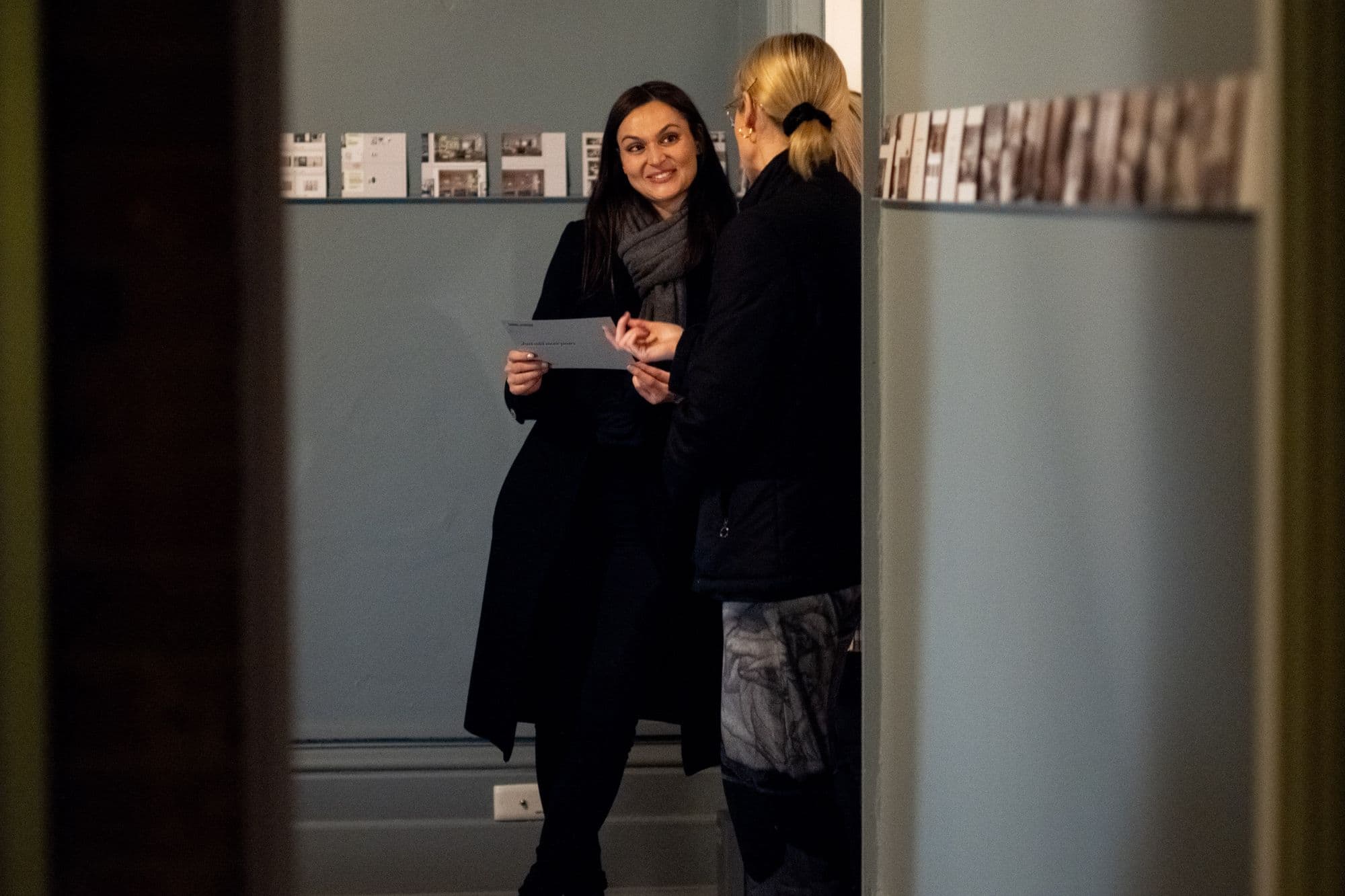
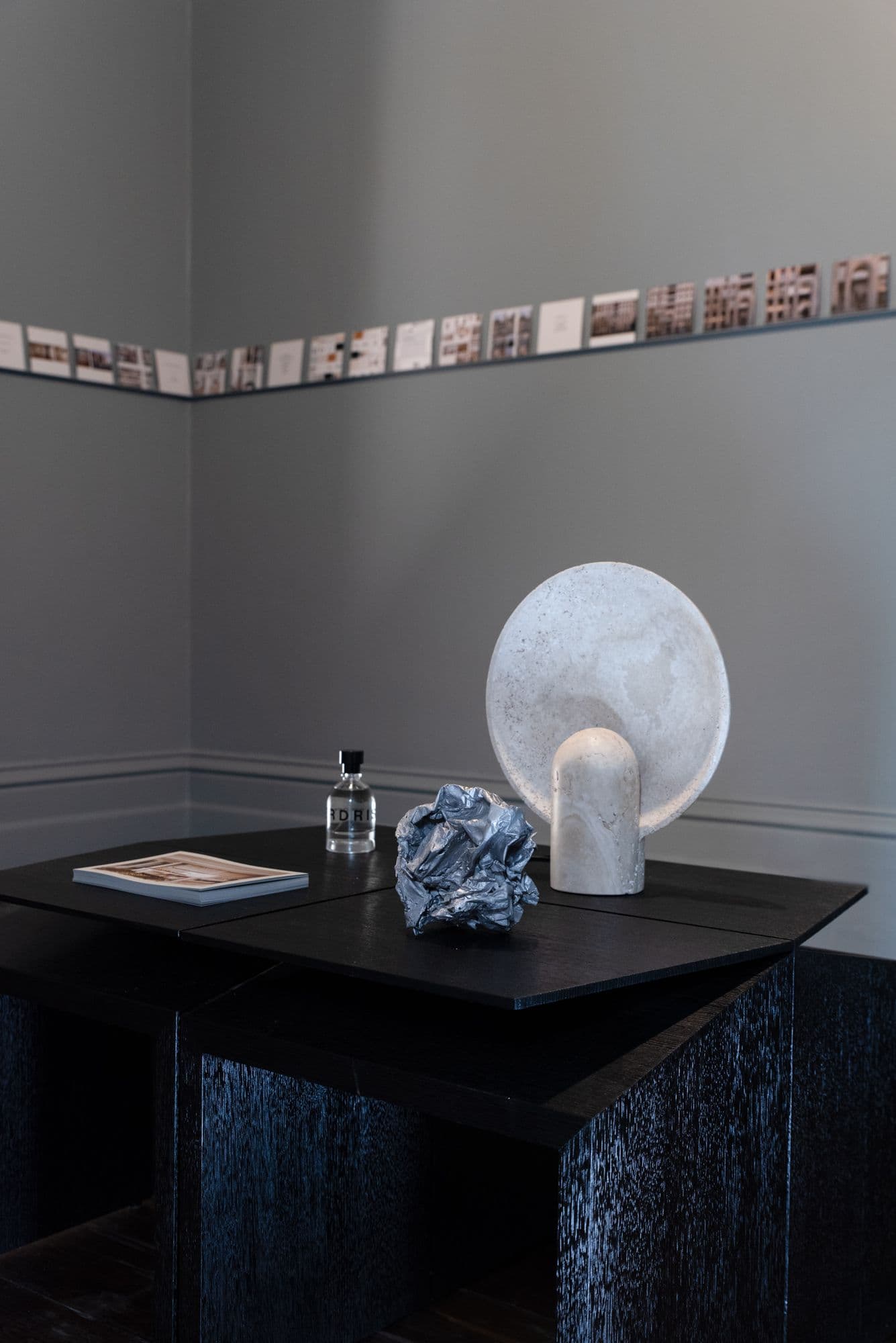
Before the talk, guests moved through a small gallery set within the studio — printed work on the walls, and a carefully considered selection of pieces from South Yarra House gathered at its centre. For many, it was their first encounter with the physical side of the studio's practice.
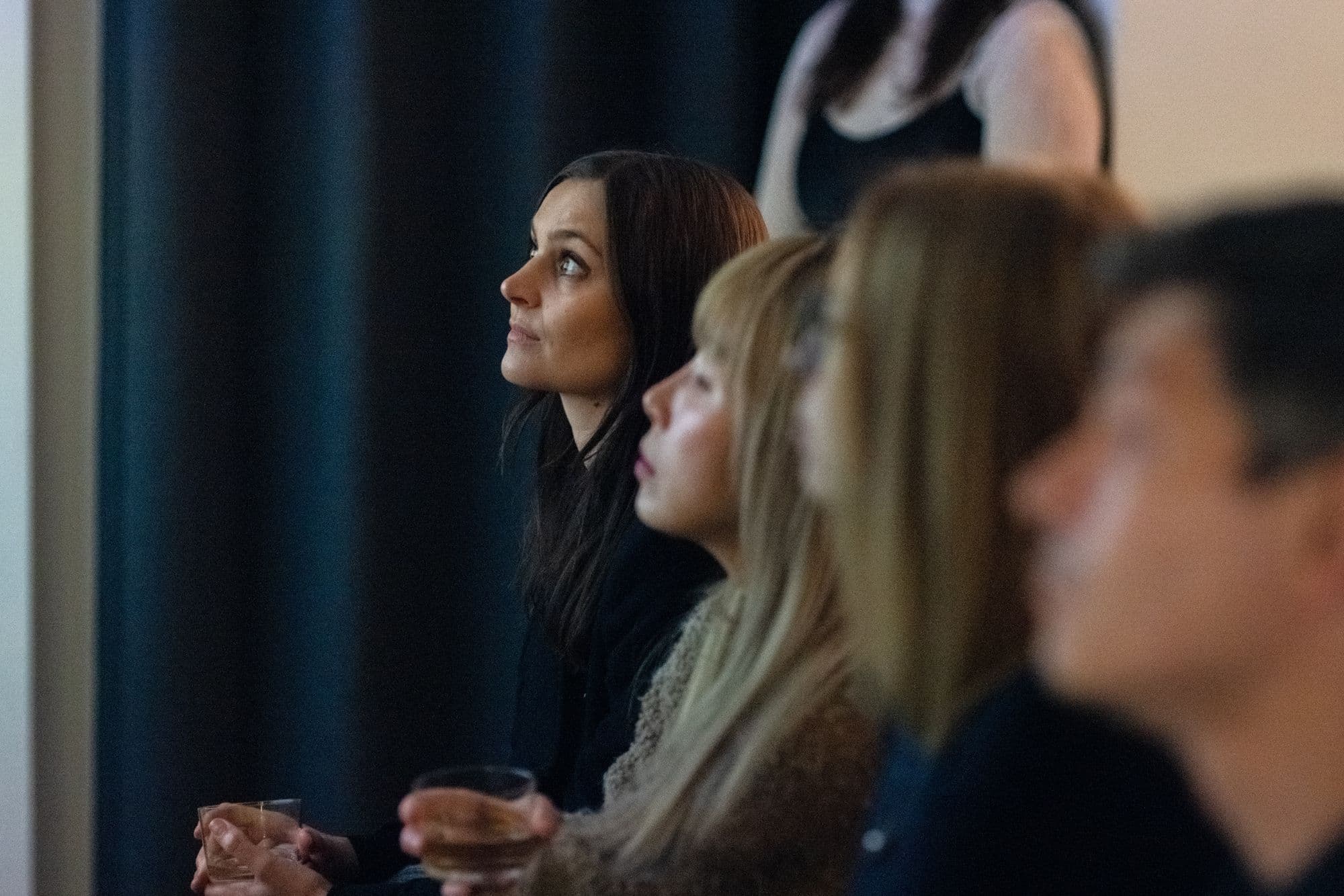
A signature winter cocktail warmed hands and conversation. The crowd — small by design, genuinely curious — settled in. There is a particular kind of evening that only an intimate setting makes possible, where a talk feels less like a presentation and more like being let into something. This was that.
A studio built on many hands
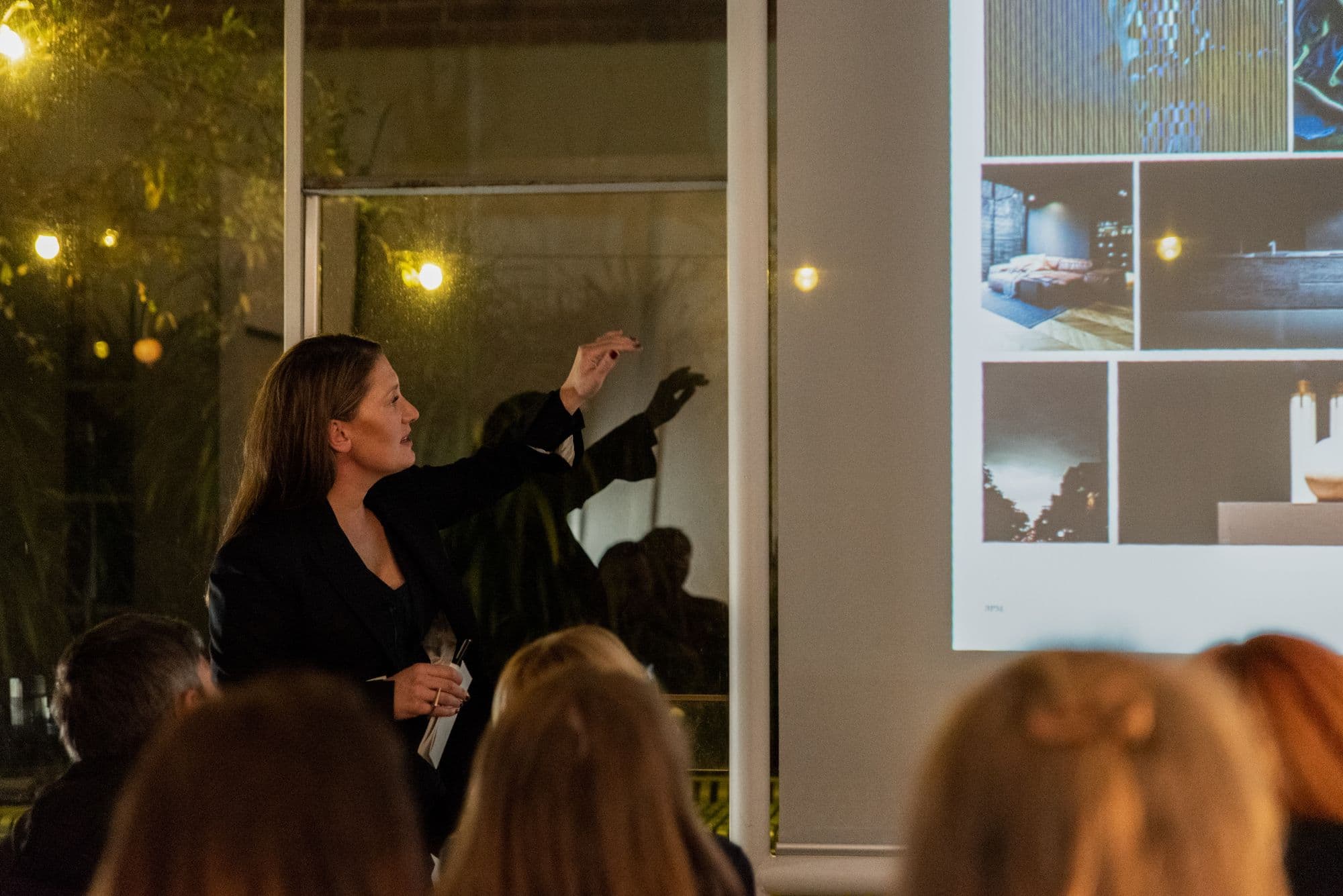
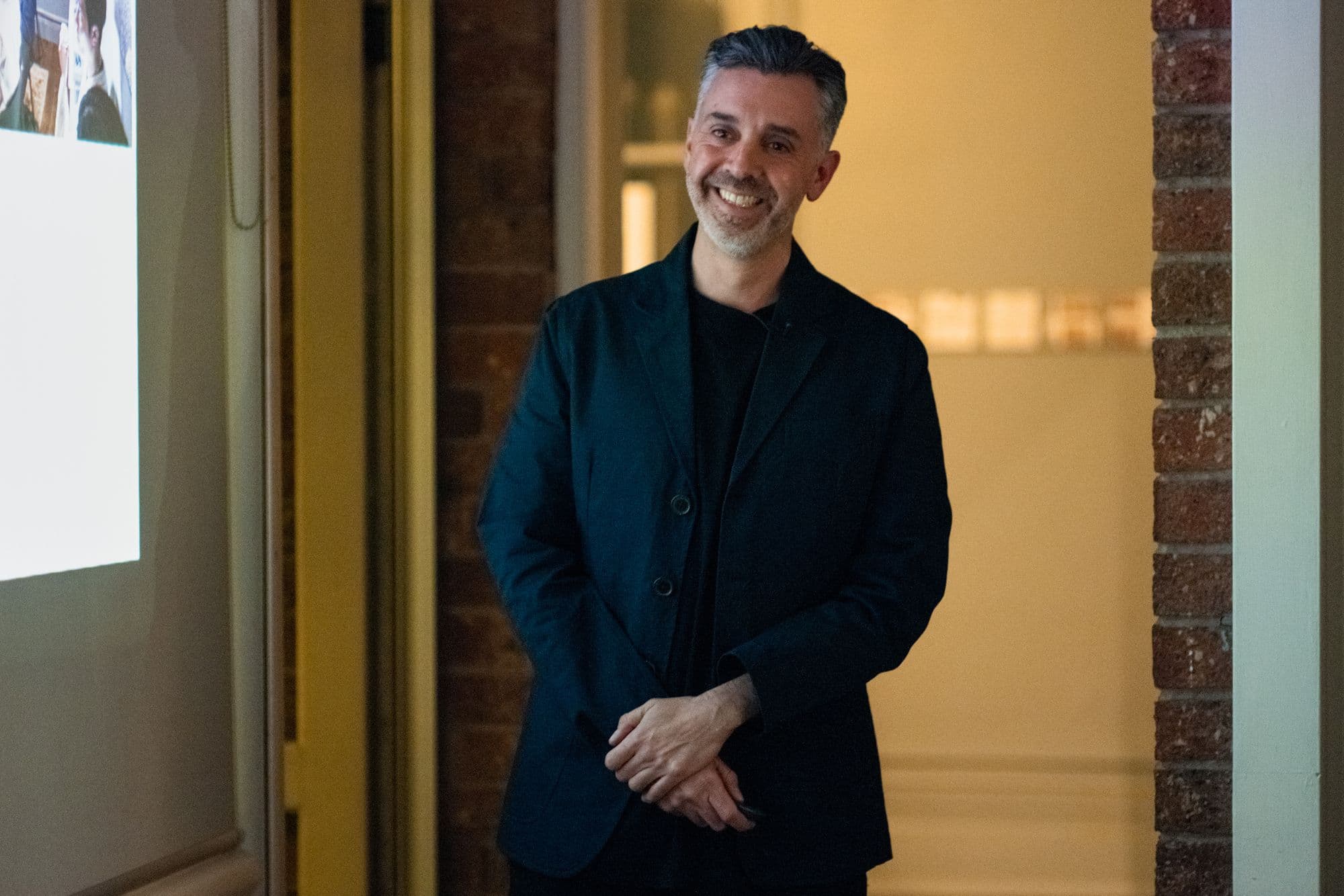
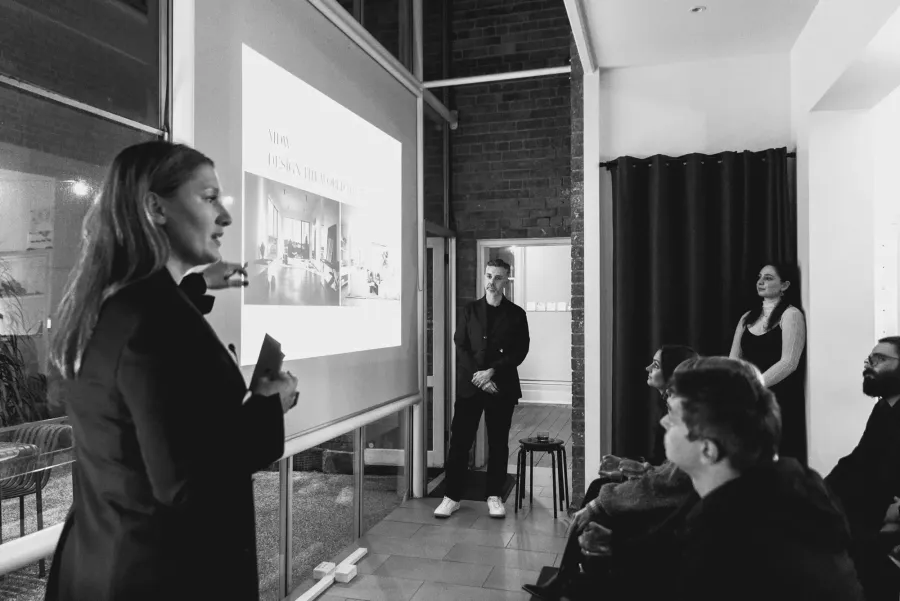
Veronica spoke with passion; Costa with precise, considered detail. Together they traced the thinking behind Gabriel Saunders — established in 2010 with two distinct but inseparable disciplines, visualiser and stylist, woven into a single studio.
Creating a single beautiful image, they told the audience, requires the talents of many: stylists, visualisers, modellers, photographers, aesthetic directors, post-production artists. A collaborative effort most people never see, but always feel.
The pursuit of the unasked for
At the heart of the talk was a conviction that has shaped the studio from the beginning: that value lives not in the expected, but in things unanticipated — in delivering genuine surprise. A detailed case study of the de Sede DS 707 illustrated the process: from client references and material studies through to refined digital interpretations, and the ongoing conversation between what exists and what can be imagined.
This is what it means to be intentional observers. To look carefully at the things a client would not think to ask for, and bring them forward anyway.
Where digital meets physical
The same sensibility governs both disciplines. Whether an image is built from geometry and light, or from furniture and fabric and the arrangement of a room, the standard is identical: it must feel real. It must carry the weight of something that could be lived in, touched, experienced.
Our aesthetic sense, Costa and Veronica put it simply, is a guide to reality.
Melbourne Design Week's theme — Design the World You Want — gave the evening a fitting frame. For Gabriel Saunders, that has never meant retreating into the speculative. It means holding both things at once: aspiration and honesty, imagination and material truth.