A Timeless Building for an Inspired client
Whitlam Place with Milieu Property
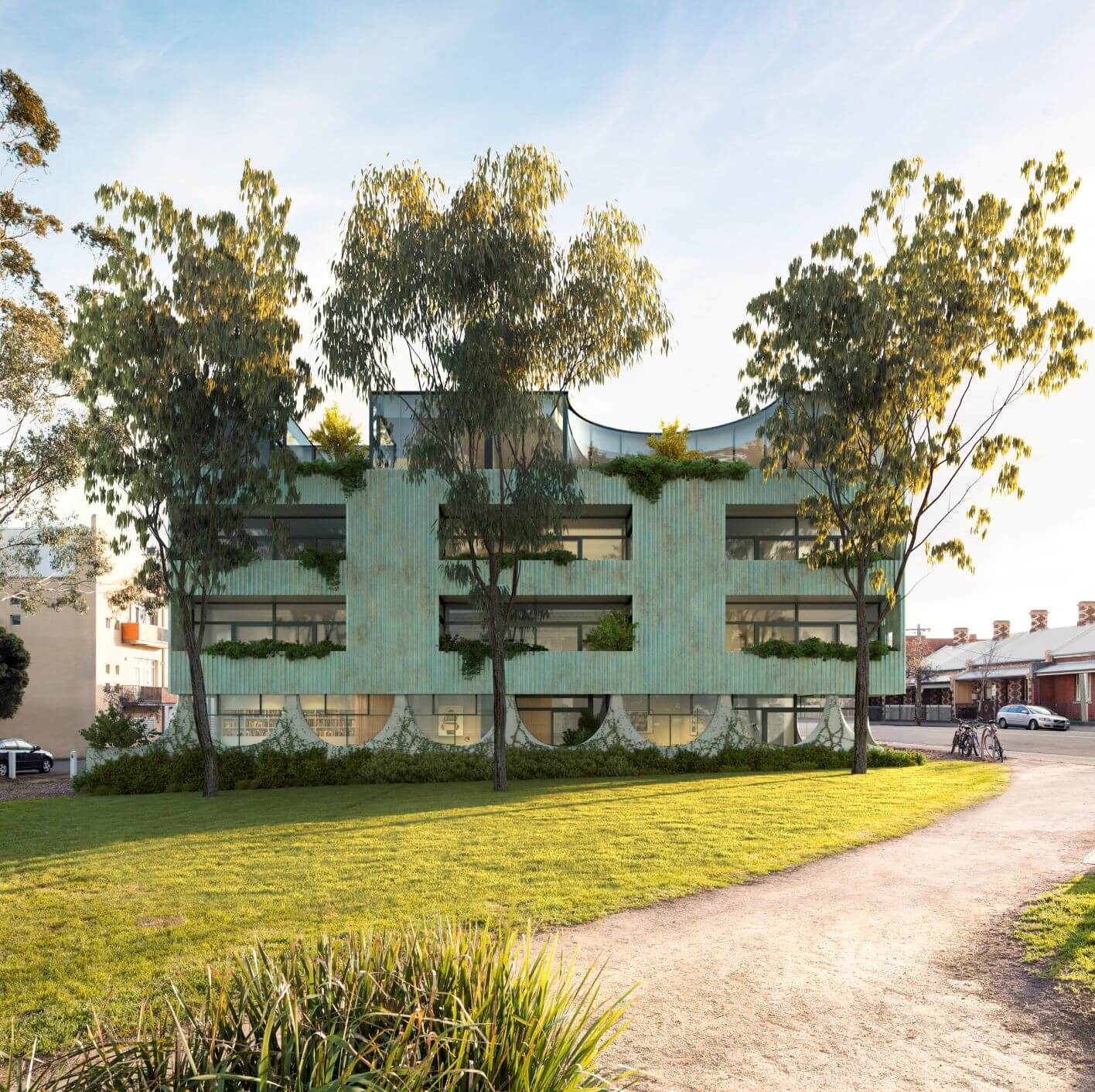
Above: Gabriel Saunders
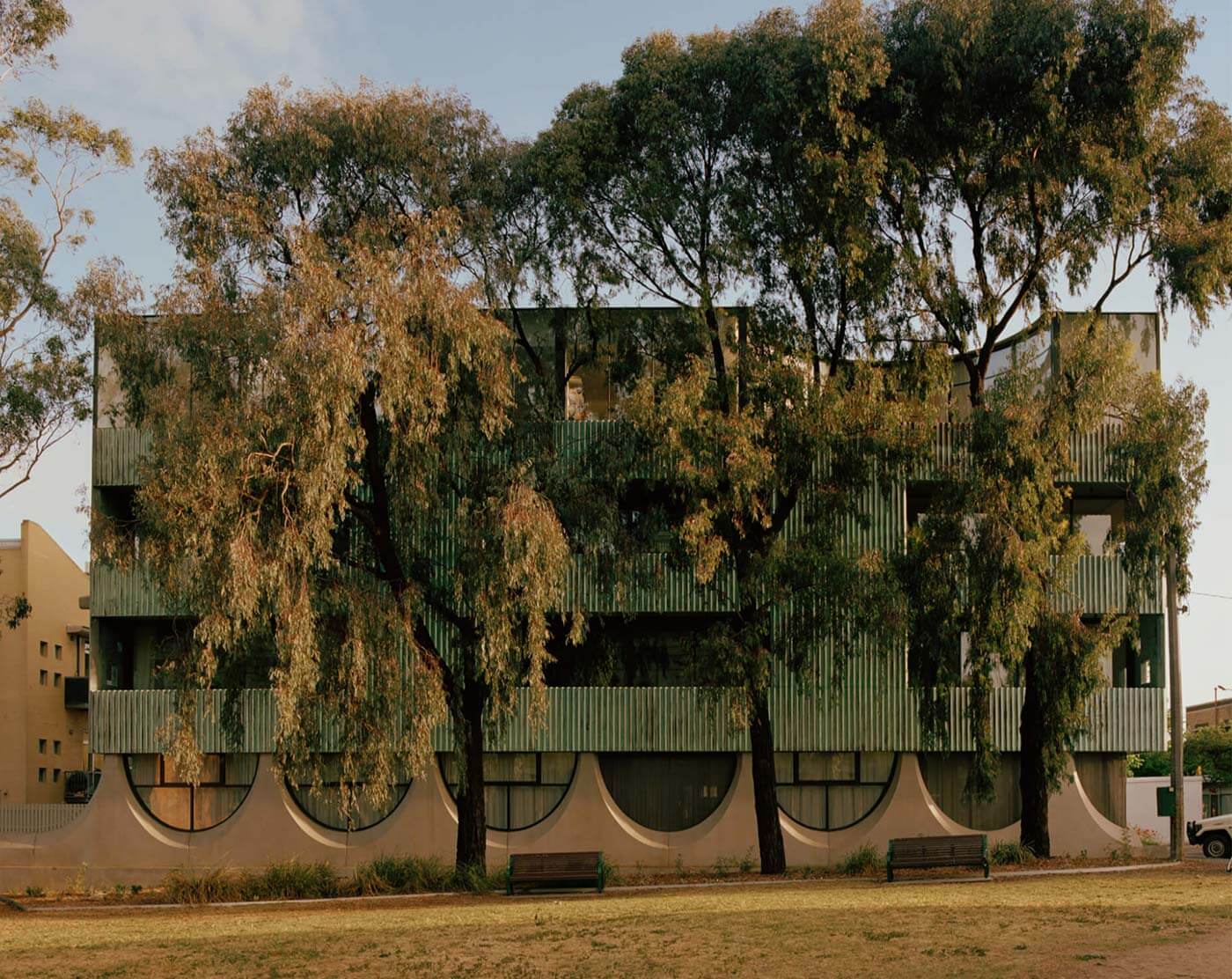
Above: Photography by Gavin Green
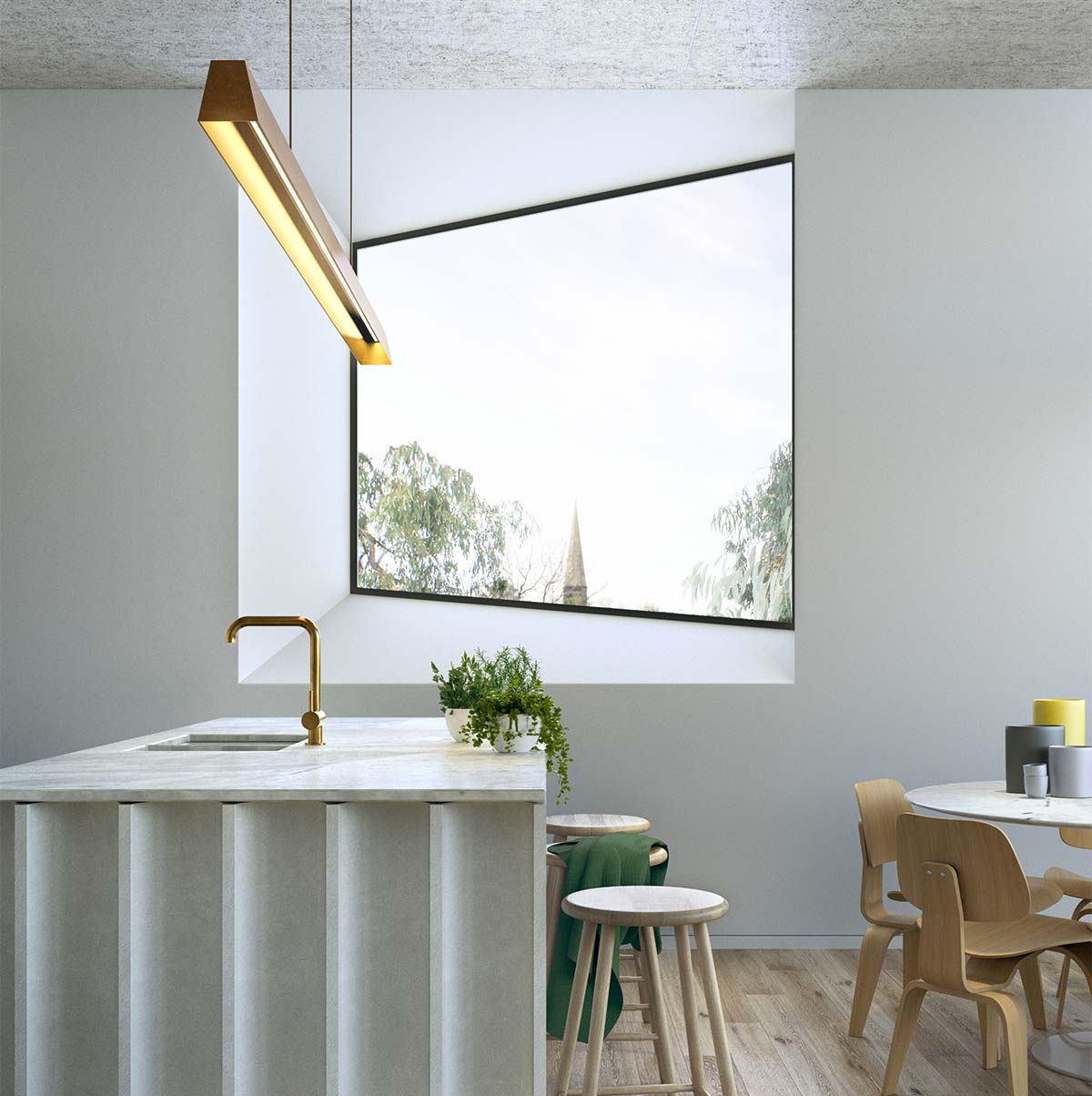
Above: Gabriel Saunders
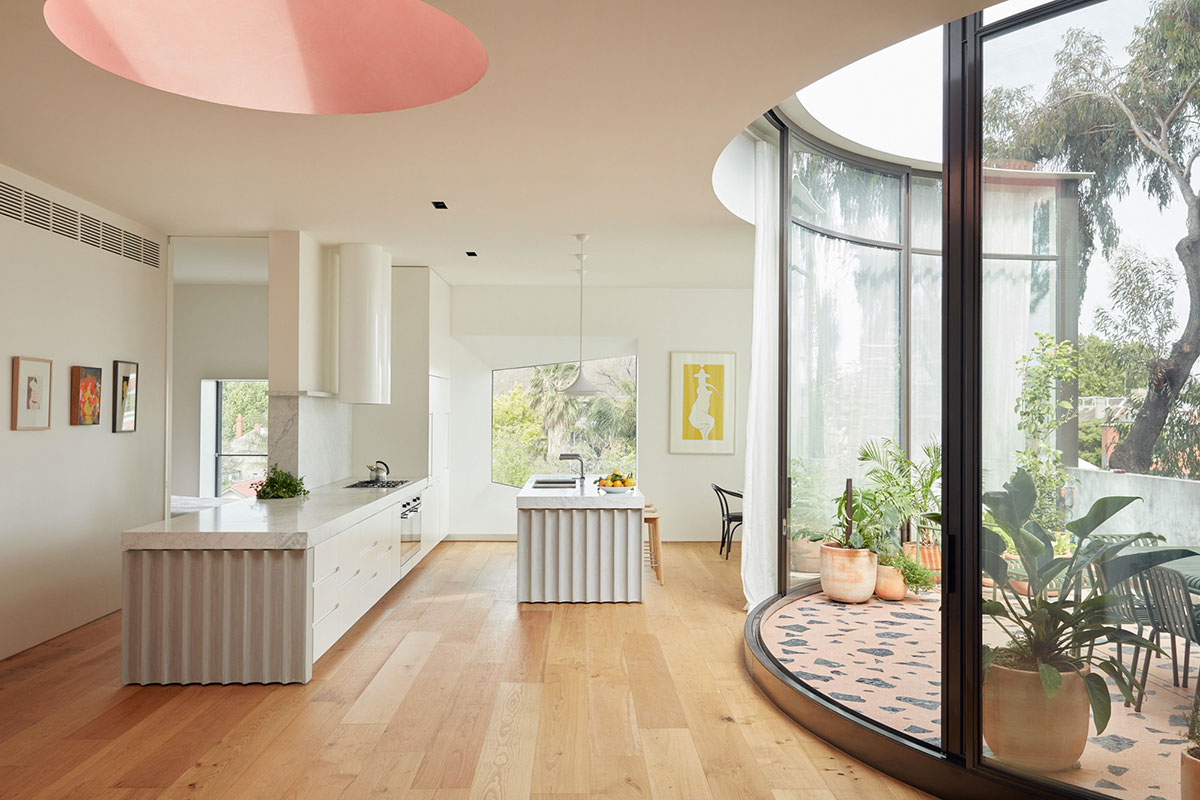
Above: Photography Tom Ross
Above: Gabriel Saunders
Above: Photography by Gavin Green
Whitlam Place is a collection of eleven timeless residences in a culturally rich pocket of Fitzroy, Melbourne. The project is defined by its liveability and its natural synergy within the urban neighbourhood.
Gabriel Saunders were engaged for the project in 2014 based on an existing relationship with Milieu, who have also since developed Peel St and Bedford St in the same area in their boundary-pushing style.
Looking back today, Gabriel Saunders founders Veronica Saunders and Costa Gabriel have fond memories of the visualisation and styling process behind this iconic collection, engaged by Milieu Property with architecture by Freadman White and Anon Studio.
“We admire Milieu because they’re a creative developer that pays close attention to the demographic of the area,” says Veronica. “They really care about what they do, ensuring that buildings are integrated with the surrounding environment and people in the area.”
The combination of Milieu and Freadman White was one that was very exciting for the team at Gabriel Saunders. “Freadman White are very detail-oriented architects, we knew they could get the aesthetic over the line,” says Costa. “Once we knew they were involved, we were extremely excited.”
Freadman White’s unique touch is evident within the development, who ensured that the interior spaces were the ultimate fit for the exterior architecture. The elements have a warmness to them, with inspiration taken from materials that have stood the test of time and well known pieces with a strong retro influence.
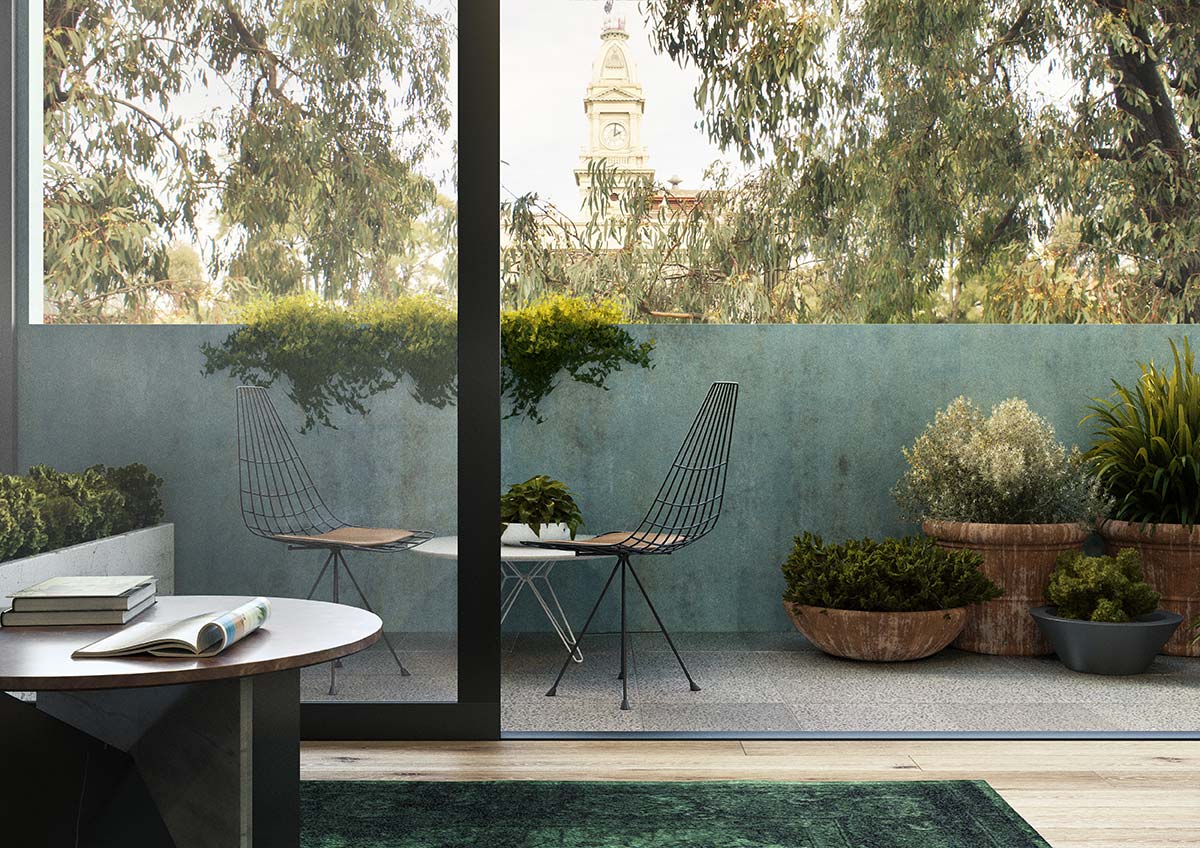
Part of the project’s vision was for the renders to take on a lived-in look, so Gabriel Saunders included subtle non-standard styling touches such as worn leather and a deep green rug to bring individual influence to the project.
Art Direction proved an interesting challenge for the development, taking all of the individual elements into consideration. “The façade treatment is quite complex and we had to consider what it would look like when the sunset comes through, and how much patina the building takes on,” Veronica explains. “The exterior of the building is constructed in a patinated material, so it was interesting to see what the façade would look like in the future rather than waiting for the material to patina.”
Other considerations included lighting, which fluctuated throughout the building, and the degree to which the surrounding trees would cover up the façade. “There are always questions when the client team sees the project for the first time. Seeing it in rendered form really makes it come alive and clarifies what the building will actually look like,” says Veronica. “Of course, first cut presentations also open up more questions about the development.”
The large gum trees in front of the development, well-known in the area, were recreated in 3D and blended with the photograph of the urban environment to create a realistic image. “That was one of our proudest moments with this development,” says Costa. “Putting the building behind the trees would have been difficult with Photoshop, so we had to think creatively to produce the most realistic render possible while incorporating the natural environment.”
While Gabriel Saunders was initially engaged for wide views to communicate the design in its entirety , they created editorial vignettes to convey a more personal lived-in feel. Even today, when vignettes are more standard in the render process, the patinated balcony shots from this project are unusual and interesting.
“Many clients wouldn’t proceed with such a detailed shot, but there was a level of honesty and authenticity in this project,” says Costa. “Showing an aged façade can be confronting, but we wanted to show the building and its architecture in an organic way – we presented both ‘clean’ and ‘dirty’ façades, and the client liked the aged version. That balcony shot is still one of my all-time favourites.”
“Our styling approach for this project was to mirror the building intent, so we added quality, timeless pieces that are classics yet do age and have personality,” Veronica adds. “In the First Cut, we creatively explored structure, composition and styling elements, as well as a variety of camera angles. Then at eighty percent completion, we refined them so they felt honest, realistic and natural.”
The creative agency for the project, Studio HiHo, won an award for the brochure that they created which celebrates the site, the area and the history with architectural influences evident throughout. “This project was unique because the design inspiration was front and centre, and celebrated,” says Costa. “It shows why branding is so important, and why we need to work together every step of the way – that brochure is an example of the power of collaboration.”
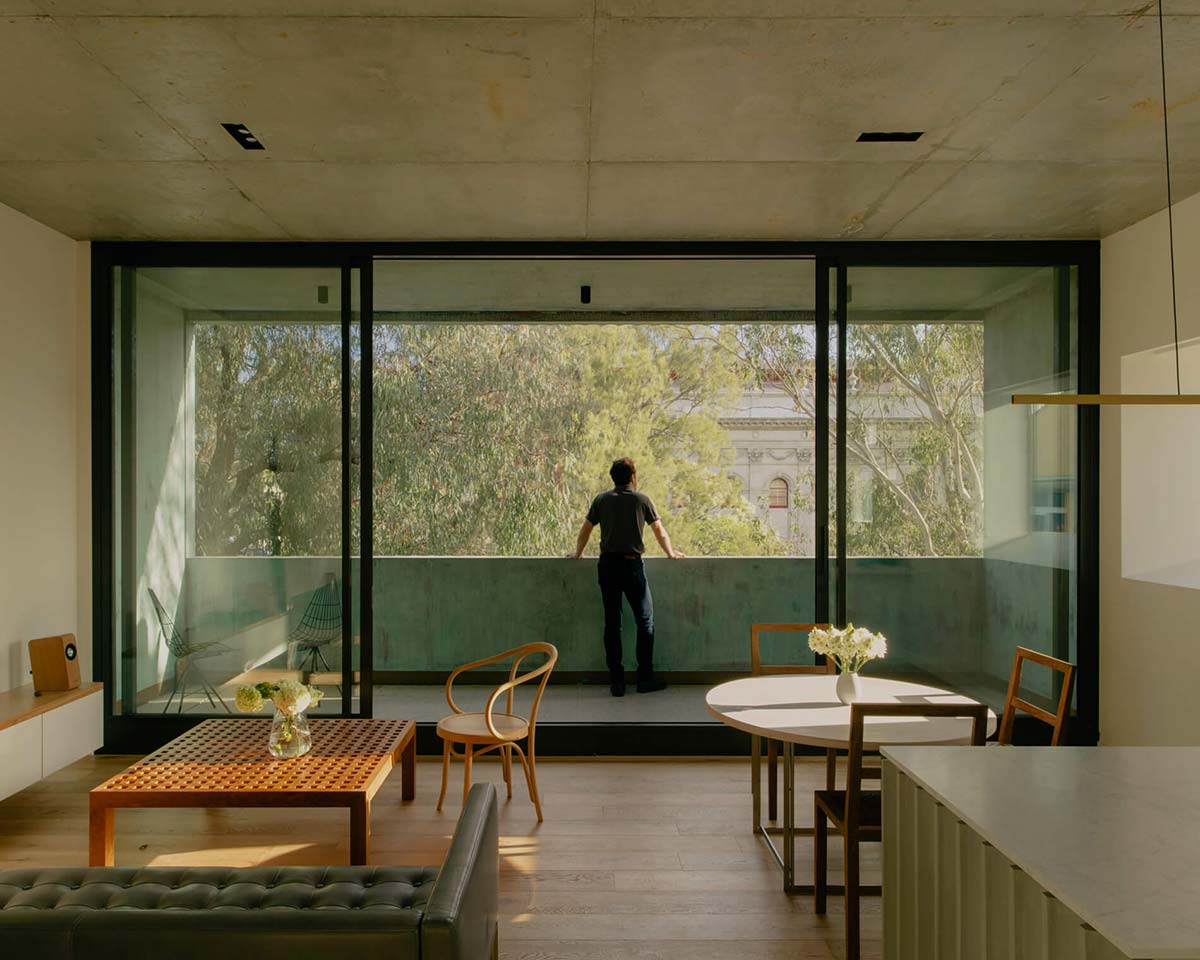
Once the project was constructed, the building was photographed by architectural photographers Tom Ross and Gavin Green, whose photographs are honest and contemporary. “Tom’s style aligned with our renders perfectly,” Costa says.
When Veronica and Costa saw the development and the final photographs compared to their renders, they were thrilled. "To see it come alive and be true to the renders was magical", Veronica says.
“The project team did something truly different with this development,” says Costa. “They are authentic in everything they approach.”
“Whitlam Place was a benchmark project for us,” says Veronica. “It was a huge collaborative effort with a joint shared vision, which created so much conversation and activity in our studio.”
Today, the studio team remembers Whitlam Place as a unique project that will never lose its value – almost like a museum, reflecting the history of the area with an anthropological element.